17 Sep, 2021






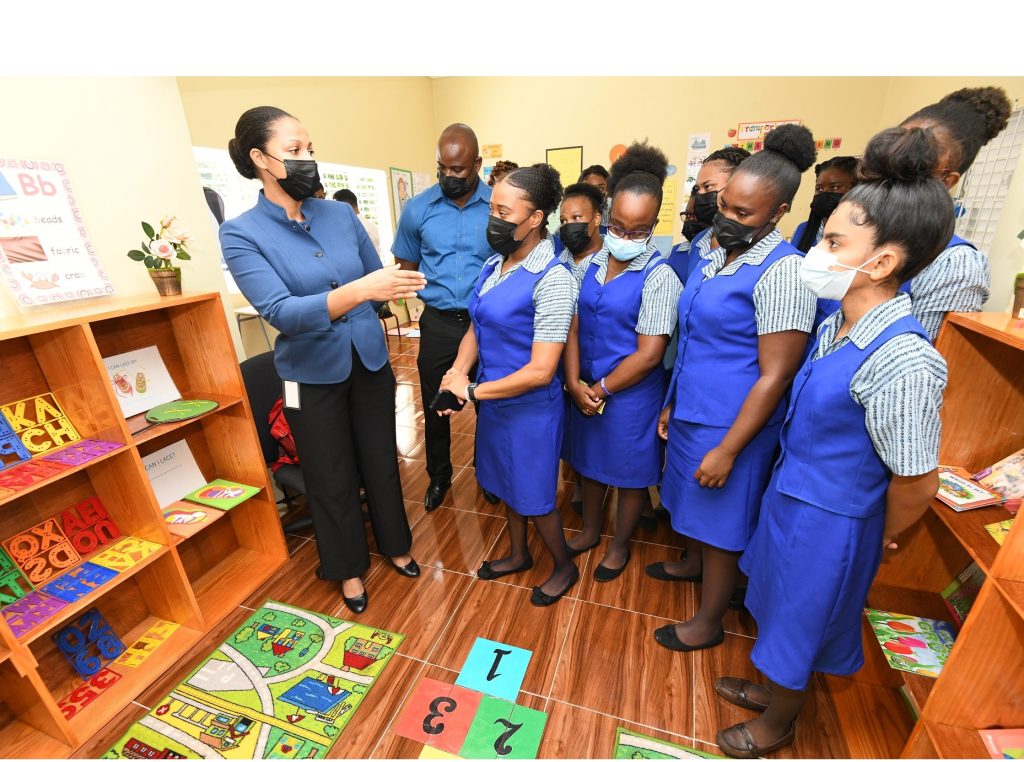
With the impending resumption of face-to-face learning, students and staff at Pondside Primary and Infant School in Hanover will benefit from two newly built classrooms, bathroom facilities, a play area, perimeter fencing among other structural improvements.
The construction project, valued at J$ 25,410,000, was completed with financing from the CHASE Fund and included the renovation of the existing school building which originally consisted of one classroom and a kitchenette. The school was also outfitted with a playset, classroom furniture and kitchen equipment.
“The contribution of the CHASE Fund benefited the school’s operation by enhancing the learning environment through improving the structure and overall ambience. We now have spacious well-ventilated classrooms which are conducive to learning,” said Rogene Henry, Principal of Pondside Primary.
Ms. Henry who has served as principal for 11 years explained that before the start of the renovations in November 2020, the school had one classroom divided into two areas, a students’ restroom and a small play area.
“We now have three spacious classrooms, an administrative area, students’ and teachers’ restrooms including a shower area for the students, a sickbay and a play area. The school is now fully fenced, and the CHASE Fund has improved our water supply through the contribution of a large tank and pump system. The electrical features were also upgraded offering better lighting and a fire alarm system was installed. We were provided with furniture – desks, chairs and tables for both teachers and students,” she shared.
The school principal expressed that, with the improvements, the school is looking forward to enrolling more children as more parents have shown interest in registering their children.
“Due to the dilapidated condition of the previous Infant Department building, parents were reluctant in sending their children to the school. We currently have twenty-two students enrolled in the Infant Department however with the renovation of the building, we are looking forward to enrolling more children,” Principal Henry stated.
Pondside Primary and Infant School was rationalized by the Ministry of Education, Youth and Information in 2012. Most of the students enrolled in the school are from neighbouring communities such as Cascade, Woodville, Coolspring and Flint Wood. The land the school occupies is owned by the United Church.
When asked about the stakeholders’ response to the school improvements Ms. Henry noted that the students, parents and teachers were all elated and voiced appreciation of the renovation done by the CHASE Fund.
“The school improvements allow our stakeholders to look forward to inspection and certification of the school and the students are excited and motivated to attend school,” she said.
Recounting the renovation process Principal Henry expressed gratitude to the Board and Management of the CHASE Fund.
“It was an excellent experience working with CHASE. The representatives were courteous, cooperative and they portrayed commendable communication skills. They offered and accepted recommendations and ensured that the school was renovated under quality standards. The work they do for Early Childhood Institutions in improving infrastructure is highly appreciated,” she reported.
Chief Executive Officer of the CHASE Fund, Mr Billy Heaven, highlighted that CHASE’s involvement in the development of the nation’s Early Childhood Education sector is deliberate.
“We understand that the care and education received during this period will impact children’s academic and social trajectories throughout their lives. Early Childhood Education sets the stage for successful academic outcomes and contributes to long-term personal development,” Mr Heaven relayed.
He added that the organisation would continue to contribute to the Early Childhood Education sector which consists of approximately 2,707 Early Childhood Institutions, 271 of which are Infant Schools/ Department.



When the COVID-19 pandemic forced the closure of schools islandwide, one of the Ministry of Education, Youth and Information’s largest organisations, the Jamaica Library Service (JLS) was called into action. The JLS was to expand its services to facilitate the nation’s students receiving adequate support in a virtual learning environment.
Through a donation of JM $27.5 million from the Culture, Health, Arts, Sports, and Education (CHASE) Fund, the JLS was able to respond strongly and enable students to effectively participate in the new learning modalities which have been necessitated by COVID-19.
The donation from the CHASE Fund was used to fund the purchase of 243 tablets, 80 laptops, and 19 multi-functional printers to bolster resources in 25 libraries across the island.
Public libraries island wide provide free access to a range of resources to meet the educational, informational, and recreational needs of students, teachers, and parents. Public libraries also provide free access to computers, tablets (limited numbers), and the internet.
Director-General, JLS, Maureen Thompson describes the donation as a breakthrough for the JLS.
“This donation is momentous for us as it provides us with the opportunity to expand the capacities of our libraries to offer free access to digital resources. We recognised that teachers and students were having challenges all around with access to the internet and devices in densely populated communities to enable meaningful participation in online learning and that with additional resources the JLS could give greater support,” she explained.
The Director-General told the JIS News that the primary beneficiaries of the project were students, teachers, and parents.
“Students or teachers who do not own a device would be loaned a laptop or a tablet. We were able to offer free access to digital resources to access information, particularly when social distancing is crucial to maintaining safety in the library space and the flexibility and convenience of the use of tablets and laptops facilitates this,” she explains.
Ms Thompson told JIS News that the donation by the CHASE Fund was also used to repair four mobile libraries.
The JLS previously offered internet-enabled mobile library services in deep rural communities and were outfitted with laptops and internet access that can facilitate access over 10 devices at a time.
“We had vehicles that were aged, some were irreparable and others could be repaired but we did not have the resources to fix them. Over time, the accessories in the vehicle would break down and things such as no air condition would mean the workers are in discomfort. We were able to restore these vehicles to enable them to go into more communities and the vehicles will begin going back into communities come the new academic year,” she said.
She added that the JLS team was fully prepared to return to over 30 communities at the start of the new 2021/2022 academic year to offer mobile library services.
Ms Thompson lauded the CHASE Fund for enabling the JLS to meet the demands of the new normal for Jamaica’s youth, online learning.
“We are very grateful for this partnership which has strengthened our mutual commitment to the continuous educating of our nation’s children and they continue to demonstrate their commitment to their mandate of facilitating the education of our nation’s children,” she said.
According to Ms Thompson, the JLS plays an integral role in the teaching and learning process through the provision of a wide range of information and technology resources, programmes, and services to support digital inclusion, educational and informational pursuits through 111 public libraries, and 898 school libraries.
Chief Executive Officer, CHASE Fund, Billy Heaven, said the organisation continues to operate in sync with the priorities of the government.
“Helping to supply devices is in keeping with the government’s “Tablets in Schools Project”. As challenging as it has been for both students and teachers during the pandemic, we have been catapulted into the use of tablets and other devices for learning and even with a return to face-to-face learning, this is a new reality and CHASE will continue to support technology in schools as a priority,” he explained.
Mr Heaven also noteed that the mobile libraries being repaired were crucial as they were now more relevant than ever before as Jamaica’s students continue to grapple with new learning modalities and limited or no access to devices and the internet.
The CHASE Fund has funded a number of initiatives at the JLS over the years, to the tune of approximately $96M. Under its Arts and Culture portfolio, the organisation has also supported tertiary institution libraries and the National Library of Jamaica.


Over 2,000 students have benefitted from tablet computers donated by the Culture, Health, Arts, Sports and Education (CHASE) Fund to early childhood institutions across Jamaica to facilitate virtual learning.
Two thousand devices, valued $50 million, were distributed between May and August to several schools.
They included: Allman Town Infant School in Kingston; Evelyn Mitchell Infant School in Clarendon; Arcadia Primary and Infant School in St. Thomas; Boundbrook Infant School in Portland; Naggo Head Infant School in St. Catherine; and Bethabara Infant School in Manchester.
The project complements the CHASE Fund’s SMART Boards Programme, designed to enable virtual/distant learning in the context of the coronavirus (COVID-19) pandemic.
The CHASE Technology Enhancement Programme (SMART Boards in Infant Schools), which began in 2019, supplements the Ministry of Education, Youth and Information’s Tablets in Schools initiative.
CHASE Fund, Project Manager, Latoya Aquart-Foster, noted that the organisation recognises the pandemic’s devastating impact on families not having sufficient access to electronic devices.
“Many children either do not have access or must share access with older siblings. Nationally, students who are doing exams are given priority, so there is a major gap within the early childhood sector. So since that age group is within our mandate under education – specifically early childhood education – we took the opportunity to provide devices for children in that age cohort,” she explained.
According to Mrs. Aquart-Foster, the CHASE Fund wants to reduce the learning gap emerging as a result of the pandemic.
“It is a critical stage, as quite a bit of development takes places at that age cohort of 4-6 years old, and we want to ensure that they were still being engaged and reached,” she added.
Mrs. Aquart-Foster said that the CHASE Fund remains committed to providing solutions tailored to meeting the needs of the local education system.
“The gap that exists between technology and other resources is continuously being pursued in the hope of providing the best environment for children to learn and thrive. The provision of infrastructure, training, smart boards and, more recently, tablets and printers, is always a response to issues facing the sector and the future outcomes being sought,” she explained.
The Early Childhood Commission (ECC) assisted with the undertaking by providing the CHASE Fund with a list of recommended schools.
“The ECC is equipped with a database that captures ongoing and current information on the sector; so they were in a position to provide recommendations, based on a needs assessment,” Mrs. Aquart-Foster informed.
“Whenever we are looking at the sector and trying to identify the areas of most need or the areas that we would see the biggest impact, we consult with the ECC because they have a panoramic view of the sector and they know where the deficiencies are and where the needs are greatest,” she stated.
Mrs. Aquart-Foster noted the positive feedback from administrators and teachers within the early childhood sector regarding the CHASE’s investment.
“Many of the principals and teachers have shared the struggles of virtual and distance teaching, especially regarding the cohort of children between 4-6 years old. Some of the teachers have indicated that since the pandemic started, they have not been able to reach some of their students; so the school community has expressed gratitude [for the tablets being provided],” she pointed out.
Mrs Aquart-Foster says with the CHASE Fund’s intervention, “many students will be engaged in the learning process, especially in some of the most volatile and remote areas in Jamaica.”
She praised the teachers and principals in the early education sector for their commitment to assisting the students.
“They go above and beyond to provide the resources for students in need, and they often seek assistance from organisations, like CHASE, because they are very determined to leave no student behind,” Mrs. Aquart-Foster added.
Deputy Director of the Institute of Jamaica (IOJ), Nicole Patrick-Shaw, describes the Culture, Health, Arts, Sports and Education (CHASE) Fund’s donation of $27.5 million to bolster the organisation’s work, as “game-changing!” She informed that the provision, which was presented to the IOJ in January, was utilised to fund several of the organisation’s projects.
The donation included roof repairs to exhibition galleries, including the National Gallery of Jamaica; digitisation of the photography collection of the David Boxer estate; video production equipment and support for virtual tours; fireproofing of filing cabinets; termite treatment for facilities; musical instruments and equipment for the Junior Centre; National Museum exhibitions; restoration of the Waterwheel at the People’s Museum in Spanish Town; support for the National Gallery of Jamaica’s Website; and computer, UPS’s and software upgrades.
Mrs. Patrick-Shaw says the IOJ was adversely impacted by the coronavirus (COVID-19) pandemic, which forced the institution to close its exhibitions to the public and an indefinite suspension of other activities that they typically organise.
“CHASE stepping in was a game-changer for us because it enabled us to create more aesthetically pleasing content that would be attractive and appealing to the public. We were also able to produce content in greater volume than before, as we did not have to rent some of the equipment as we had the necessary software and equipment in house,” she explains.
The CHASE Fund has donated approximately $58M in grant funding that has been provided to support various initiatives of the IOJ and its divisions since 2003.
The purchasing of photography and video-production equipment, which included cameras, enabled the IOJ to create content that can now be accessed online.
“The funds provided by CHASE have improved our capacity by providing us with the resources to purchase the tools required to create online productions during our closure. We have been able to film our sites and do shows to highlight content and we have never done things like this before,” Mrs. Patrick-Shaw pointed out.
She said the pandemic had prompted the IOJ to reinvent its business model.
“We realised that we had to change to remain relevant and are able to push brand Jamaica forward. Since March this year, the IOJ has created a whole new museum, one that is virtual where we communicate and deliver content electronically to our local and regional stakeholders,” she added.
According to Mrs Patrick-Shaw, the repair of roofs along with termite treatment across departments at the organisation was critical to capacity building and enhancing customer service.
“The roof at the National Gallery was leaking and the gallery is the repository of our arts, and we can’t have water falling on these things. We also had roof repairs at the museum, termite treatment was done for over 10 years. We have had flooding due to the roof leakage in different departments. So, the funds coming in was extremely crucial, as it does not only facilitate a better environment for staff but also it improves our capacity to serve the public,” she shared.
The Junior Centre, the IOJ’s programme coordination division’s children’s arm, also benefited greatly from the funding, as the IOJ purchased items such as microphones, microphone stands, mixers, drums, melody horns, tambourines and keyboard stands for its music programme.
“The Junior Centre targets children at risk, aged six-18 years old, and those who have an interest in arts to foster their intellectual, aesthetic and cultural growth. These instruments will facilitate further development of the music programme at the Junior Centre. The children come in the after-school programme and they will learn the skills in music and if they perform at a higher standard, we take them to the Jamaica Cultural Development Commission, which helps to build their self-esteem and confidence,” Mrs. Patrick-Shaw indicated.
The Deputy Director praised the CHASE Fund for its work in helping to preserve Jamaica’s culture and advancing the modernisation of the institution’s work.
“This funding CHASE has donated will not just impact us momentarily but it will transform the lives of the children and helps us to reinvent ourselves and give the organisation a glimmer of hope during a difficult time.”
Chief Executive Officer of the CHASE Fund, Billy Heaven, says the organisation is committed to supporting institutions that preserve Jamaica’s heritage in the interest of the public. “Under CHASE’s arts and culture portfolio, we provide financial support to projects which, among other things, lead to improvement of libraries, archives and documentation facilities; encourage the people of Jamaica, especially the young, to utilise such facilities and services; offer programmes which develop the talents and skills in Jamaica’s youth in arts and culture as well as projects which seek to restore and maintain the country’s historic sites and monuments,” he explained.
Mr. Heaven added that the CHASE Fund was proud to work with the IOJ to facilitate the preservation and advancement of Jamaica’s cultural objectives.
“The preservation of the wide collection of documents stands out in my mind as one of the critical areas that needed support. CHASE has financed the digitisation of this and other collections and, most recently, the photography collection from the David Boxer estate, with the intention that it will be better preserved and more easily accessed.”

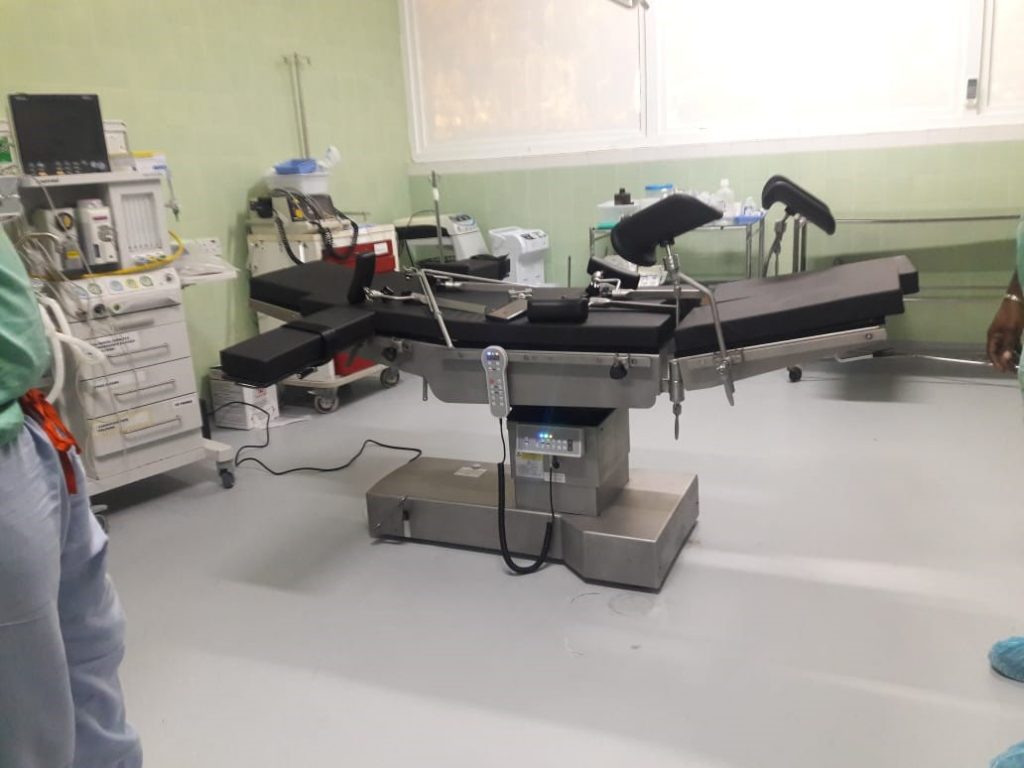
More than 700,000 Jamaicans in the parishes of St. Elizabeth, Manchester and Clarendon are benefitting from improved access to healthcare through the donation of $32 million by the Culture, Health, Arts, Sports and Education (CHASE) Fund for the acquisition of surgical equipment for health facilities in the Southern Regional Health Authority (SRHA).
The equipment, including surgical beds and tables, an anaesthetic machine, defibrillators, autoclaves and electrosurgical units for operating theatres, have been installed at hospitals and one health centre in the region.
SRHA Director, Michael Bent, said that the new equipment will enhance efficiency in the delivery of health services.
“They will decrease patient waiting time because of a reduction in downtime of new equipment and also result in less wait for patients who are to do surgery. For the autoclaves, infection prevention and control is one of the hallmarks of any health service and we have to ensure that the instruments that we are using are properly sterilised, so these autoclaves help to improve not just efficiency but also the quality of care,” he noted.
Mr. Bent disclosed that the acquisition was in keeping with the Authority’s five-year retooling plan, aimed at replacing aged equipment with instruments and tools that are modern and reliable.
He said that acquiring the necessary resources to respond to healthcare needs is a high priority for the SHRA.
“Quality healthcare is one of the pillars of any country, so we must at all times be building capacity if we want to have a healthy nation and economy. In keeping with our philosophy of compassion, accountability and efficiency, the bottom line is to ensure that we are changing equipment and bringing in newer ones, so that we have greater efficiencies,” he pointed out.
Mr. Bent hailed the approximately 2,700 health and administrative workers in the region for their commitment to “going above and beyond the call of duty” in providing quality healthcare to patients.
“We try at all times to give our staff the best equipment so they are very happy and they are satisfied that the region is trying to give them the tools that are necessary to do their jobs. The patients are also happy, as they have seen that we are lifting the quality within the region’s facilities,” he adds.
Project Manager at the CHASE Fund, Latoya Aquart-Foster, advised that the entity was happy to facilitate the request from SRHA, noting that CHASE is committed to improving the quality of healthcare in the region.
“The southern region covers a vast population, and the hospitals and health centres that are situated in this region have significant resource constraints. When we reviewed the request from the SHRA and the areas of need identified, we saw it fit to support the project and approve a level of funding that will allow much of the needs to be met,” she noted.
Mrs. Aquart-Foster added that the Fund anticipates enhanced service delivery, patient care as well as greater levels of efficiencies.
“It will see a reduction in the operating costs for the operating theatres because the new equipment received would replace ageing equipment, which breaks down often and needs costly repairs. Also, equipment provided for the sterilisation of small instruments will assist with infection control,” she said.
The CHASE Fund supports projects in the health sector, including building, upgrading, restoring and equipping facilities; providing training for healthcare practitioners; promoting healthy lifestyles; and developing and implementing programmes related to renal disease and cancer prevention, detection, treatment and care.
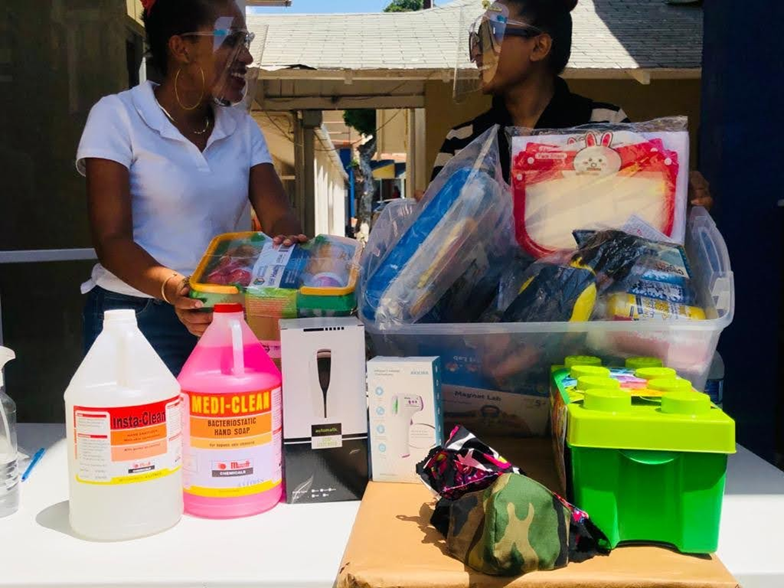
The country’s early-childhood institutions have benefited from much-needed support to better enable them to operate within the health and safety guidelines stipulated by the Government to reduce transmission of the coronavirus (COVID-19).
Through funding of $50 million from the CHASE Fund, basic schools across the island have been equipped with personal protective equipment (PPE) and sanitation and hygiene supplies.
Provided were handwashing stations/basins, water storage tanks, liquid soap, paper towels, hand sanitiser, hand sanitiser dispensers, thermometers, alcohol, gloves, face shields, masks and bed linen.
It is part of a larger programme of assistance to more than 180 early-childhood and primary institutions under the Resilient Schools Project, which aims to provide a safer environment for students, teachers, school administrators, parents, and school communities, in response to COVID-19.
Director for Donor and Partnership Management at the National Education Trust (NET), Latoya Harris, indicated that the support from CHASE was welcome, as a number of basic schools were having challenges in meeting the COVID-19 measures.
“A lot of schools may not have had all the financial resources to do all of the necessary changes so to provide them with those fixed resources such as water tanks or the sanitation station, really, is welcomed because a lot of them need it,” she said.
Miss Harris noted that the support from the CHASE Fund, which she hailed as a long-standing partner of NET, would better enable school administrators to focus on other pressing needs.
“With COVID-19, some of them had to retrofit and do some construction work to ensure that they have that isolation room, which is one of the requirements for schools. There are also some that will need additional infrastructure for the additional water tanks to supply the sanitation stations at critical points throughout the school. Some schools will also need piping to get water to these stations,” she pointed out.
Miss Harris added that the school administrators have all reacted positively to the timely donations.
“This grant and assistance were welcomed because it allows schools to focus on certain key areas while they got support with other things to enhance sanitisation and hygiene,” she added.
CHASE Fund Project Manager, Latoya Aquart-Foster, noted that the entity was committed to assisting infant and primary schools to address the challenges of the pandemic.
“Many schools were uncertain of how they would put in place the measures required by the health authorities because funding is always a constraint among both privately run and government-run schools. So we were happy to have been able to provide funding to procure these items and distribute them across schools islandwide,” she says.
Mrs. Aquart-Foster also noted that the entity is pleased to be able to provide the funds to improve the health and safety of children.
“When we saw that we could assist these schools we jumped at the opportunity and we are happy to have been a part of it, and it is our hope that it has gone a far way in preparing the schools to better manage the COVID-19 protocols,” she said.
Mrs. Aquart-Foster noted that even though students are learning remotely, the supplies are beneficial “because a lot of staff members have to go in to conduct the lessons from school while children are at home. So they have benefit while children are learning from home as well as when schools do reopen.”


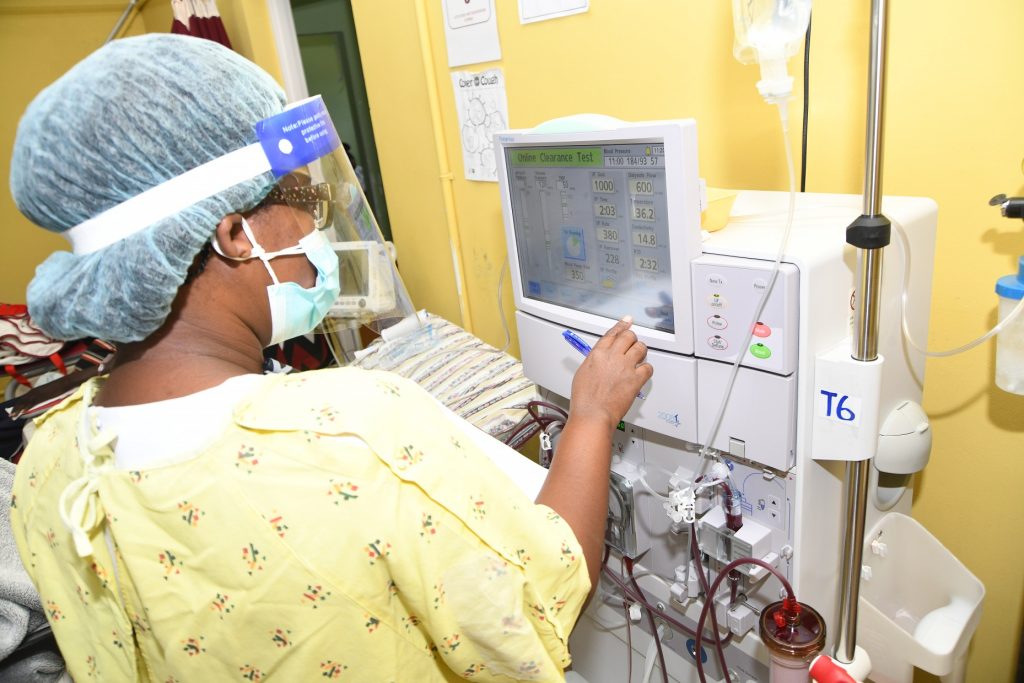
Healthcare for renal patients in the southern region of Jamaica has received a boost with the recent installation of eight new dialysis machines at the Mandeville Regional Hospital.
The hospital serves approximately 900 renal patients annually from the parishes of Manchester, Clarendon and St. Elizabeth.
The machines, valued at $23.1 million, were purchased through funding from the Culture, Health, Arts, Sports and Education (CHASE) Fund.
Southern Regional Health Authority (SRHA) Director, Michael Bent, tells JIS News that the new machines replace eight that are now obsolete.
“We had 13 machines before we received the new machines, four were relatively new, while others were from 2006 when we opened, so they were very old and they would have outlived their useful lives,” he says.
“The uptime will be higher because these are new machines so we are able to process patients quicker, persons don’t have to be rescheduling dialysis due to machines being down, so we will have greater efficiency with more reliability from these machines,” Mr. Bent adds.
The purchase of the eight dialysis machines is a part of the over $146 million donated by the CHASE Fund to buy 53 dialysis machines for five public hospitals across the country over the last six years.
Project Manager, CHASE Fund, Latoya Aquart-Foster, tells JIS News that the new machines have features that will enhance the treatment of renal patients.
“The facility is now able to operate a three-patient shift system, which means a 16-hour day for the machines to be in constant operation and because the machines are new and not breaking down, the hospital staff can effectively meet the demand of patients requiring dialysis,” she notes.
Mrs. Aquart-Foster adds that due to the critical nature of renal diseases, this purchase is important.
“Dialysis is a life-sustaining treatment and persons who have been diagnosed with end-stage renal disease will have to receive dialysis for life, unless a kidney transplant is done. Therefore, it is extremely important to have machines that are fully functional that can provide patients with uninterrupted care,” she says.
She points out that this initiative is very important to the overall mandate of the CHASE Fund.
“Under the health mandate of the organisation, two of the critical illnesses that we place great emphasis on are cancer and end-stage renal disease. This donation is therefore very important as it allows us to increase our support to persons who have been diagnosed with end-stage renal disease,” she says.
Meanwhile, Mr. Bent says the machines that were installed last month will also reduce the budget allocated to the maintenance of the machines.
“Because the previous machines were over 15 years old, the maintenance cost was very high,” he notes.
Mr. Bent tells JIS News that the health care workers are appreciative of the newly installed machines.
“The staff in the dialysis unit will be much more comfortable because they have more reliable machines in terms of the downtime, and are also able to get through with treating their patients more reliably,” he says.
Mr. Bent tells JIS News that patients have reacted positively to the new machines.
“It will also boost the morale of the patients, as no longer will they have to come and hear that the machines are down. When we had the old machines and three or four of those went down, it would require staff to work longer hours as we have fewer machines and we still had to see the patients, because dialysis treatment is crucial to saving lives,” he adds.
Mr. Bent says there is a possibility that the number of patients being treated at the dialysis centre could be increased.
“We have a long waiting list because we have many persons who want to get dialysed, but because of not enough equipment, they have to seek dialysis elsewhere and some might even end up not doing it. We may be able to now facilitate more persons because of the increased efficiency,” he explains.
Mr. Bent expresses gratitude to the CHASE Fund for its commitment to healthcare in Jamaica.
“We want to thank the CHASE Fund for financing this project and responding to the Mandeville Hospital’s call to change these machines, so that we can serve our folks in the southern region much better. They have been a very good partner with us over the years and they helped us in 2006 to establish the dialysis centre and they have never left us, as they continue to work closely with us,” he says.

Eleven early childhood institutions (ECIs) across the island have received multifunction printers, ink cartridges and paper donated by the CHASE Fund. The printers will enable schools to provide printed work as directed by the Ministry of Education, for distribution to children who do not have access to online materials during the COVID-19 Pandemic.
Principal of the Bonnett Primary and Infant School in St. Catherine, Michelle Buchanan-Simms, said the teachers at the school were happy with the equipment. “Some parents cannot afford the data and with limited connectivity the students cannot stay on for the duration of the class. “We will be able to print and give the parents the outlines and the students will receive printed material to supplement online instruction,” she said.
Rita Thomas, a senior teacher at Marverley Primary and Infant School in Kingston, expressed delight that paper was included in the donation of the printer.
Project Manager at the CHASE Fund, Latoya Aquart-Foster, advised that the 11 beneficiary schools were chosen in consultation with the Early Childhood Commission and include the Marverley Primary and Infant in Kingston; Amity Hall Primary and Infant in St. Thomas; Village Primary and Infant in St. Ann; Clarence Brimm Basic in Trelawny; Somerton Primary and Infant in St. James; Friendship Primary and Infant and Camp Savannah ECI in Westmoreland; Harmon’s Primary and Infant and Campbell’s Castle Primary and Infant in Manchester; Bonnett Primary and Infant in St. Catherine and Seven Ground ECI in Clarendon.
“Equipping ECIs with a printer that is able to copy, scan, fax and print and the necessary materials will impact greatly the operations of each school and directly the students who have been falling behind due to lack of resources,” she said.
The supply of printers is an expansion to the Fund’s installation of 80 SMART boards in 29 schools over a two-year period under its Technology Enhancement Programme.
Twenty per cent of all CHASE Fund resources goes towards support of the early childhood sector. To date the Fund has spent $5.5B in the early childhood sector since 2003, building, upgrading and equipping schools and resource centres; supporting the development of early childhood materials; and providing scholarships for specialist training in Early Childhood Education among other initiatives.
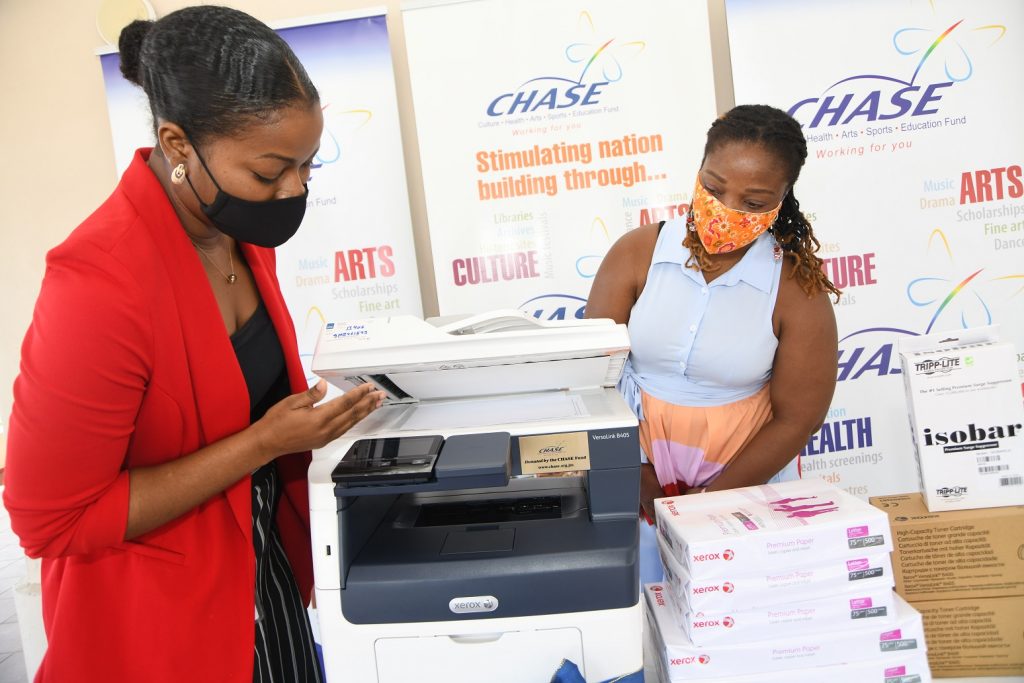
CHASE Fund Project Officer, Shannon Guthrie, highlights the scanning, printing, faxing and copying capability of the multifunction printer to Rita Thomas, senior teacher at the Marverly Primary and Infant School during the presentation of the printer and accessories to the school on February 12, 2021 at the CHASE Fund office in Kingston.
CHASE Project Manager, Latoya Aquart-Foster, (left) points out features of the multifunction printer to (L-R) Shannon Guthrie, Project Officer, CHASE Fund; Michelle Buchanan-Simms, Principal, Bonnett Primary and Infant School; and Rita Thomas, senior teacher, Marverly Primary and Infant School during a presentation of the equipment on February 12, 2021 at the CHASE Fund offices in Kingston.
The Pathology Laboratory and storage unit at the Mandeville Regional Hospital was officially opened on December 17, 2020. The laboratory was established by CHASE in partnership with the Lions Club of Mandeville at a total cost of $83M. In a virtual message, the Minister of Health and Wellness, Dr. Christopher Tufton, thanked CHASE and the Lions Club of Mandeville for the joint effort in establishing the facility. He disclosed that funding had been allocated in the 2021-2022 FY to equip the laboratory. Once equipped, surgical specimens and biopsies for patients at the Mandeville Regional Hospital will no longer have to be sent to Cornwall Regional Hospital for processing.
CHASE CEO, W. Billy Heaven, was the keynote speaker for the event. He informed the audience that the Fund committed $52 million in 2018 to complete the laboratory and construct a storage unit to accommodate surgical specimens, tissue blocks and slides, reagents, and also store documents. He added that since 2007, CHASE had provided J$192M million in financial support to the Mandeville Regional Hospital including the establishment of the hospital’s dialysis unit.

W. Billy Heaven, CHASE CEO, hands over the keys to the Mandeville Regional Hospital Pathology Laboratory to Dr. Colette Hall, Regional Pathologist, at the opening of the laboratory on December 2017, 2020. Witnessing the presentation is (l-r) Alwyn Miller, CEO, Mandeville Regional Hospital; Wayne Chen, Chairman SRHA; and Wendy Coley Haynes, President, Lions Club of Mandeville.
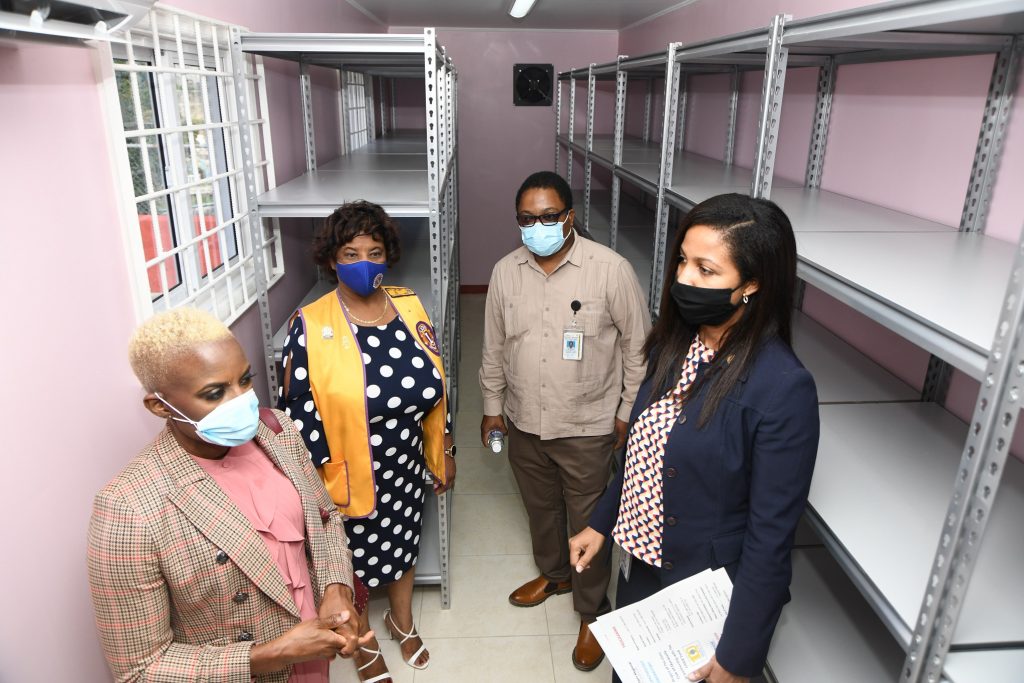
Latoya Aquart-Foster, Project Manager (right), views the Pathology Laboratory storage unit with (l-r) Dr. Collette Hall, Regional Pathologist; Wendy Coley-Haynes, President, Lions Club of Mandeville; and Alwyn Miller, CEO, Mandeville Regional Hospital.
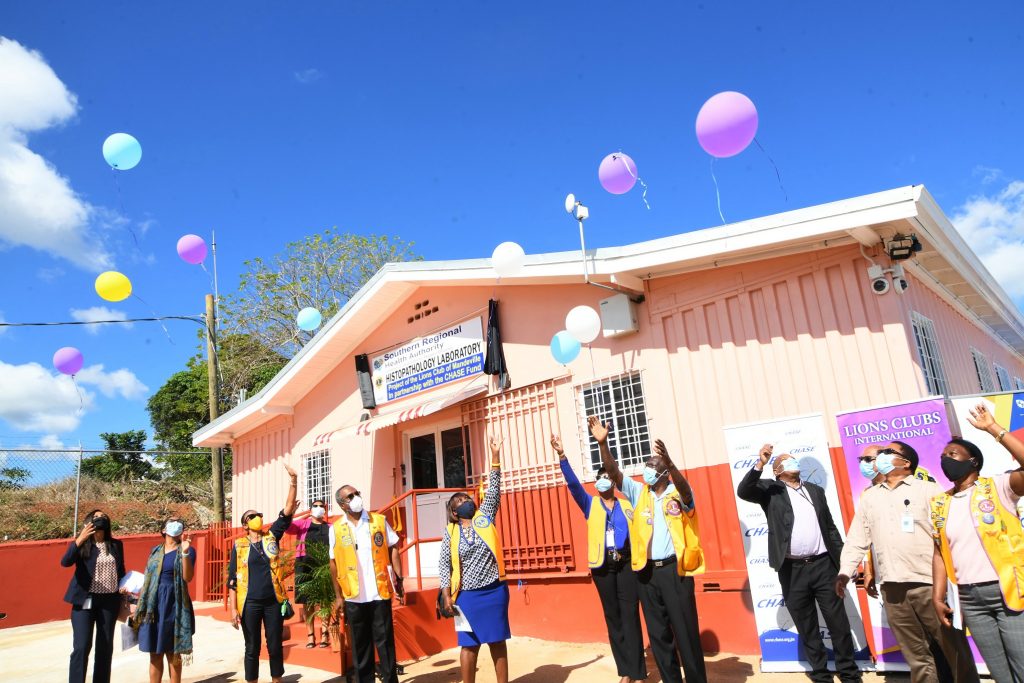
The opening of the laboratory was marked by the release of balloons by CHASE Fund and Mandeville Regional Hospital Staff along with members of the Lions Club of Mandeville.