


As Jamaica closes out its annual observance of Child’s Month, the national conversation has converged around a deeply critical mandate. Under the 2026 theme, “Prioritise Our Children’s Mental Health: Strong Minds, Safer Future,” educators, parents, and policymakers are confronting a vital reality: we cannot secure a stable future for our nation without addressing the psychological and emotional well-being of our youngest citizens.
This year, the theme carries unprecedented urgency. Months after the catastrophic passage of Hurricane Melissa in late 2025, our communities are still actively rebuilding. While much of the public focus remains on replacing roofs, clearing debris, and restoring physical infrastructure, an invisible crisis persists: the collective trauma, anxiety, and emotional displacement experienced by Jamaica’s children.
While clinical interventions remain essential, one of the most effective, accessible, and proactive tools for nurturing emotional resilience and mental healing in infants is simple: the freedom to play.
Hurricane Melissa did not just damage homes and schools; it upended the sense of safety that is foundational to a child’s psychological development. For thousands of infants across Jamaica, the howling 185 mph winds, the sudden displacement from their bedrooms, and the visible distress of the adults around them created toxic stress. If left unaddressed, this level of trauma can severely impair cognitive development, emotional regulation, and academic focus.
This is where the science of play-based learning becomes a critical instrument for mental health recovery.
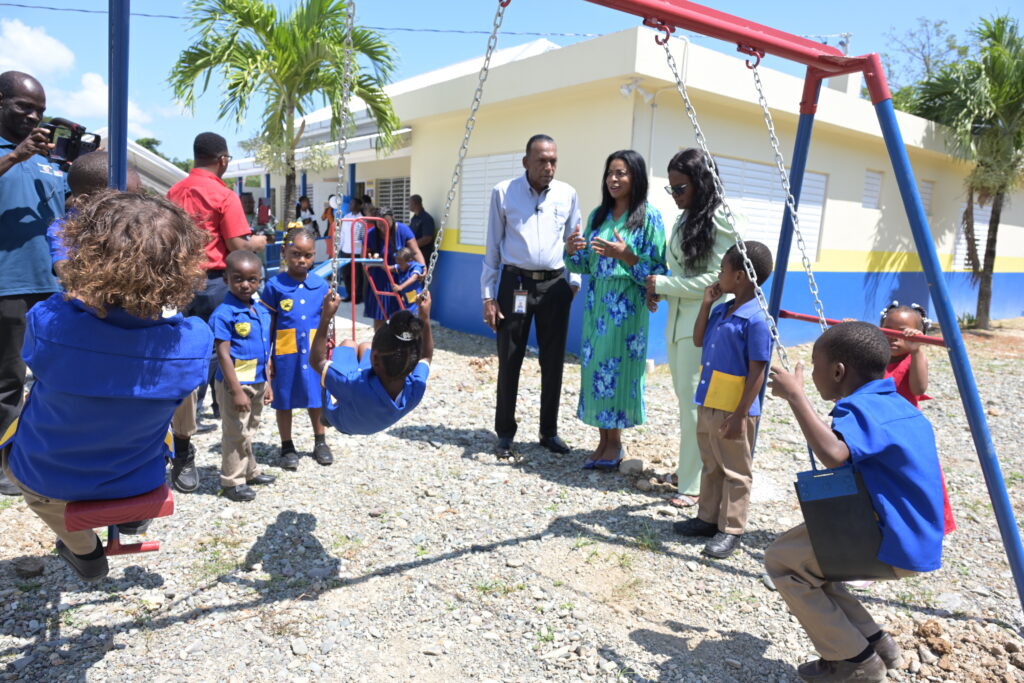
For an infant, a playground is not a luxury, it is a therapeutic space. Play is the natural language through which young children process fear, express complex emotions, and regain a sense of control over their environment. When a child engages in physical, unstructured play, their brain releases endorphins that actively reduce cortisol (the stress hormone). Navigating a slide or a climbing frame allows a child to move from a state of passive helplessness, inflicted by a natural disaster, to active mastery, rebuilding the internal confidence necessary to face an uncertain world.
Recognizing that mental health and physical environment are deeply intertwined, the Culture, Health, Arts, Sports and Education (CHASE) Fund has long prioritized the construction of safe, certified, and enriching play spaces across Jamaica. In the wake of recent climate adversities, this mandate has evolved from an educational initiative into a core pillar of community psychosocial recovery.
By investing heavily in early childhood infrastructure, CHASE aims to restore a sense of normalcy and joy to young learners, ensuring that physical spaces actively support cognitive and emotional healing.